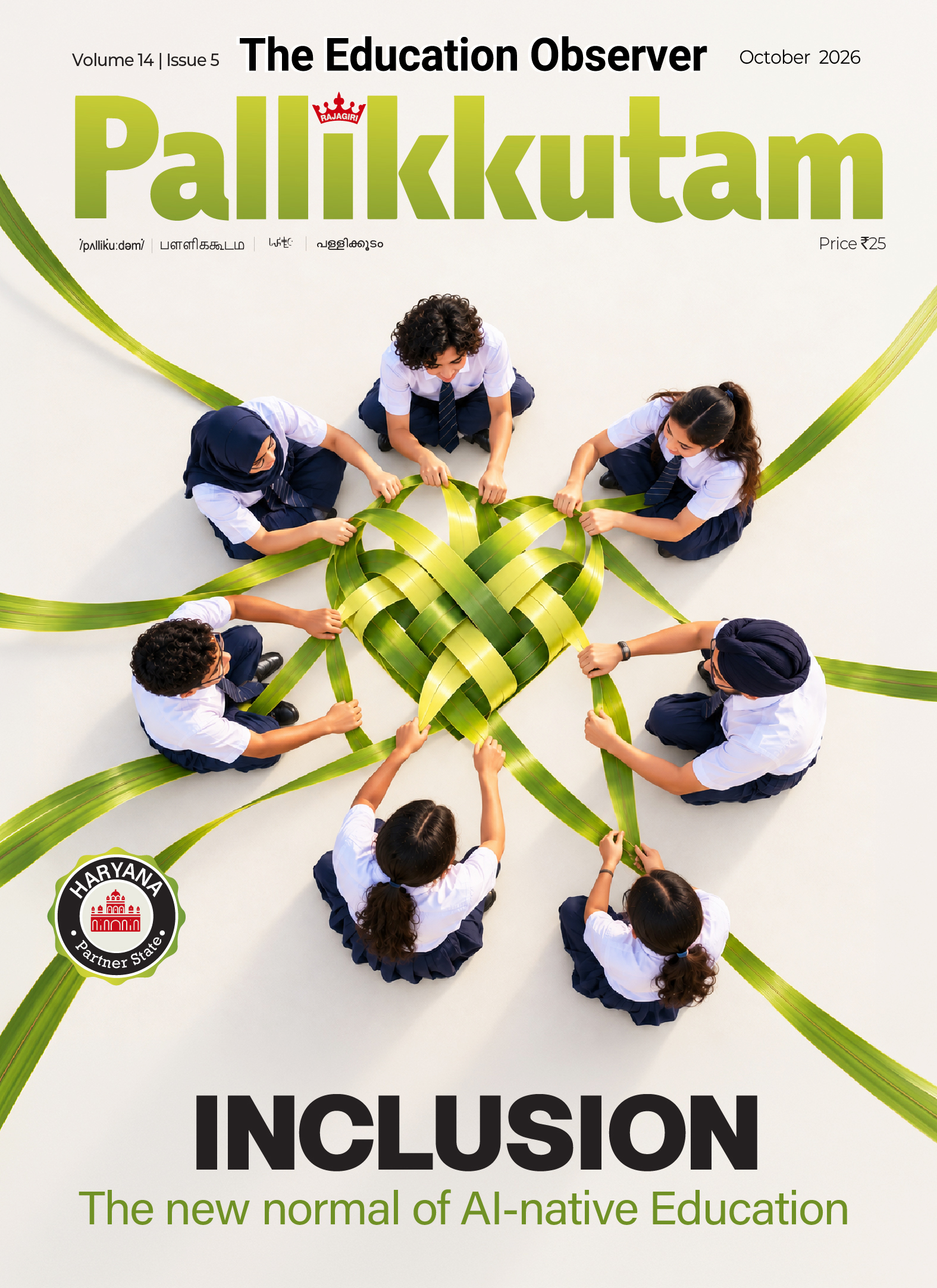
The concept of inclusive education was broadened to include diverse learners, the integration of technology and socio-emotional learning & feeling of safety.
A diverse classroom prepares learners to become empathetic, enlightened, resilient, self-directed, and entrepreneurial in nature driven by intrinsic motivation.
Inclusion must be the guiding principle & philosophy in schools taking into consideration the unique needs of the child in a safe & secure learning environment
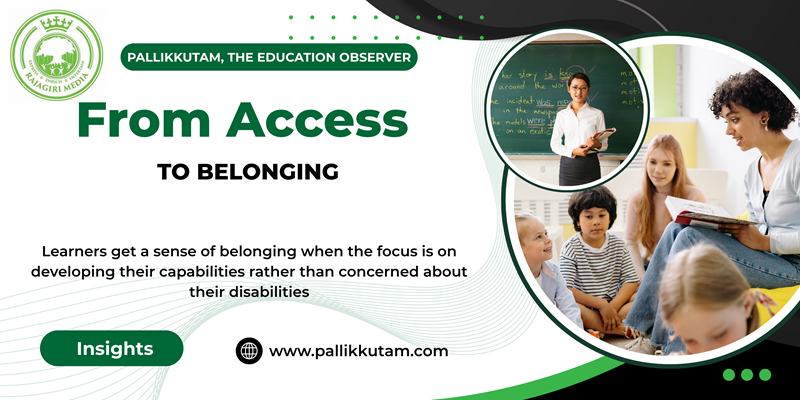
Inclusivity is possible only through a learner-centred approach focussed on what the child is capable of. Stakeholder support & technology can aid inclusivity.
AI can open new pathways to learning, but true inclusion needs more than technology. Libraries can combine accessibility, personalisation and human connection.
AI can widen access and personalize learning, but true inclusion needs digital equity, ethical governance, empowered teachers and human-centred design.
AI can personalise learning, but teachers bring empathy, judgement and human connection. True inclusion emerges when AI supports, not replaces, educators.
AI can personalise learning, but teachers bring empathy, judgement and human connection. True inclusion emerges when AI supports, not replaces, educators.
Every child learns differently. Personalised support, inclusive tools and caring teachers can help learners participate, belong and grow with confidence.
Every learner can become an enquirer when classrooms offer multiple pathways, meaningful questions and support that turns curiosity into participation.
Inclusion grows when learning adapts to each child’s rhythm through personalised pathways, real-world experiences, human support and belonging.
In the AI age, inclusion becomes the new normal, making diversity essential for belonging, empathy, collaboration, contribution and human growth.
In the AI age, both front-row students with intellectual abilities and back-row students can thrive in industry thanks to their diverse intelligence and skills.
AI can widen access and personalise learning, but true inclusion depends on teachers, equity, empathy and ensuring every learner feels they truly belong.
Sixteen teachers across eight subjects win India’s Best Teachers’ Awards 2026, followed by professional development and an Oxford residential programme.
Inclusive education in the AI age requires more than access to technology. It calls for fairness, accessibility, privacy and meaningful human support.
Inclusive classrooms depend on empowered teachers who integrate SEL, adapt practices and ensure every learner feels seen, heard and able to participate.
AIMA and UVA Darden partner on management education, research and leadership development, including a programme for senior public sector leaders.
Inclusion does not always begin with a major programme. Sometimes, it can begin with a simple question: How are you feeling today?
Offgrid Energy Labs and Keele University will pilot India-developed ZincGel batteries in the UK to test long-duration renewable energy storage.
Inclusive child-centred learning requires more than independence. Learners need scaffolding, peer support and well-prepared teachers to thrive.
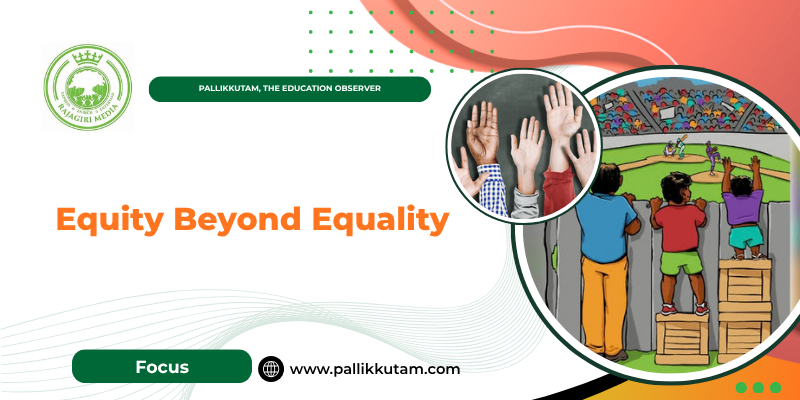
Inclusive education moves beyond equal treatment by removing barriers and providing each learner with the support needed to participate and learn.
Inclusive education must not be the responsibility of teachers alone. The school system must have visionary leaders, special educators and assistive devices,
Interactive pedagogy turns inclusion into participation, using flexible teaching, peer learning, multisensory tools and feedback to reach diverse learners.
Inclusive education in the AI age must put learners first, using technology and assistive tools to support diverse needs, access and participation.
Equal access to AI does not mean equal institutional readiness. This edition explores how leaders can govern AI more equitably, responsibly and effectively.
AI can save teachers time, but inclusion still depends on human judgement. Explore why teachers remain essential in AI-supported classrooms.
AI can give children answers instantly, but parents still shape how they learn. Explore why guidance, verification and independence matter.
Equal access to AI does not mean equal institutional readiness. This edition explores how leaders can govern AI more equitably, responsibly and effectively.
The introduction of AI as an assistive tool will enhance accessibility and personalisation without reducing the role of educators, improving inclusivity.
India is building an inclusive AI-education ecosystem. The real test is whether access, language, disability support and policy translate into better learning.
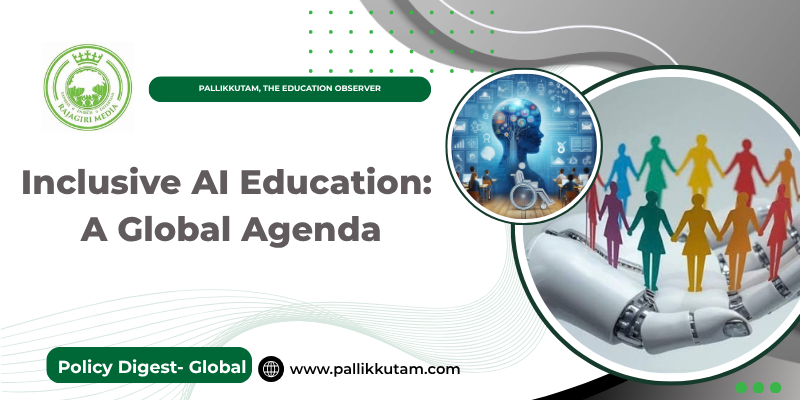
Global AI policy is shifting from access to accountability. Discover how education can protect learners while keeping humans in control.
Axis Solutions and GEC Gandhinagar launch an industry-supported lab to give engineering students hands-on exposure to instrumentation and automation.
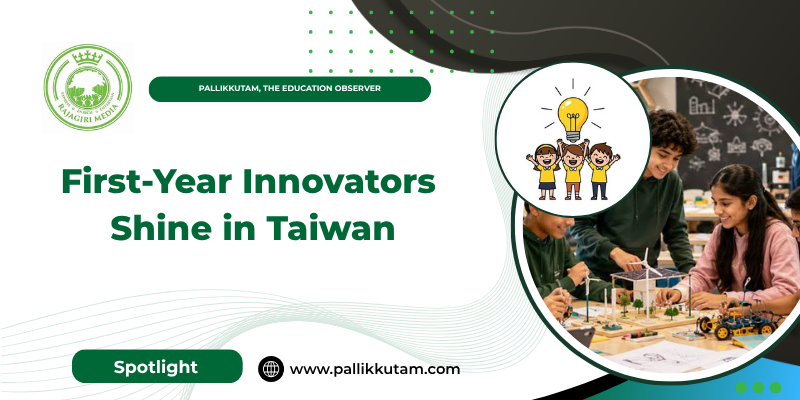
Four first-year IIT Hyderabad students win the Excellence Award in Taiwan for research on perovskite solar technology under high-humidity conditions.
A Texas Tech innovation, FiberTect enables rapid dry decontamination from chemical and toxic threats, showing academia-industry research in action.

Model United Nations provides a platform for student diplomats to discuss and debate important global issues and policy interventions with diverse viewpoints.
AI can strengthen inclusive classrooms through personalised learning and assistive tools, but empathy, collaboration and belonging must remain at the heart.

Life is not a bed of roses but bad experiences may come into our lives for a reason- to build resilience, strength, empathy & kindness & overcome struggles.