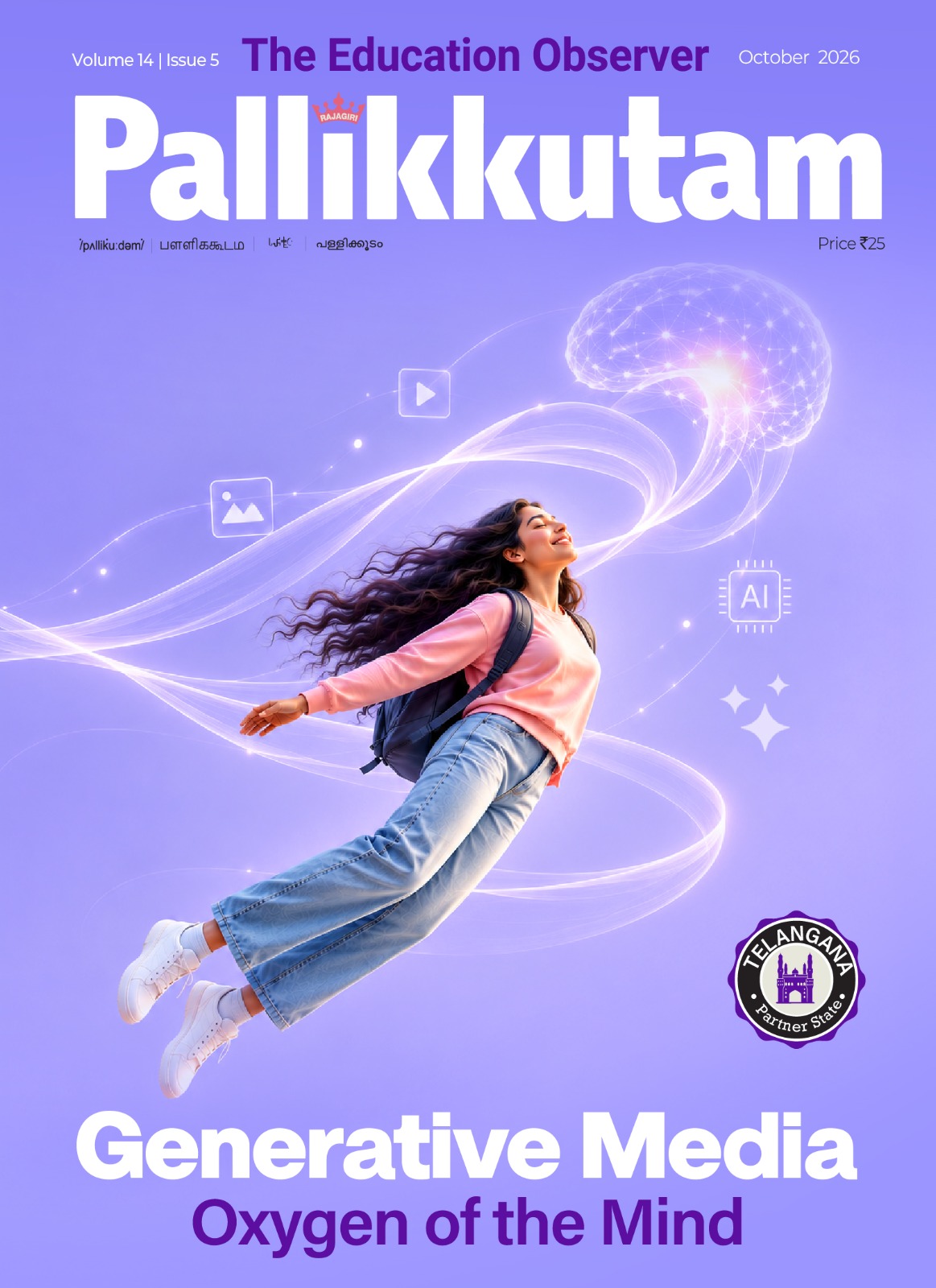
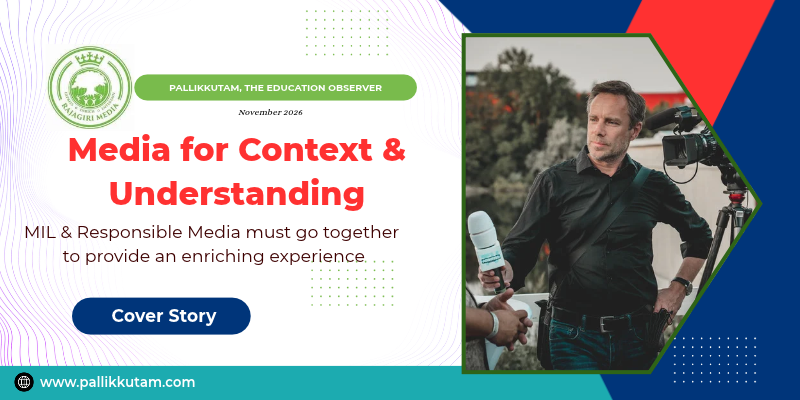
Media have to strengthen grassroots reporting, provide diverse perspectives, & be more responsive to AI natives empowered with critical thinking and inquiry.
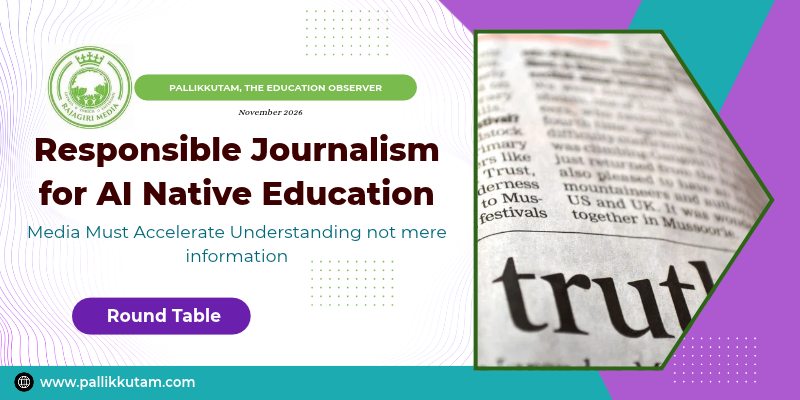
Responsible journalism provides contextual understanding & verification; all learners must be able to identify credible information to enhance their worldview.
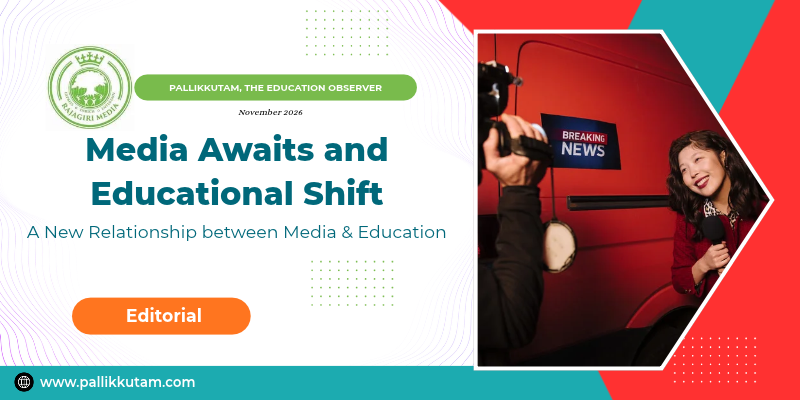
A new relationship must develop between media and education. Media must be responsive to learners' needs, driving intrinsic motivation & curiosity in learners.
Media and information literacy empowers learners to question misinformation, evaluate digital content, use AI responsibly and become informed digital citizens.
Education must go beyond exams and certificates, using science and responsible media to foster curiosity, critical thinking, life skills and social awareness.
Media literacy transforms students from passive information consumers into critical thinkers who question, verify and navigate the digital world responsibly.
In an age of AI and misinformation, students must learn to look beyond polished content, trace information sources and question systems shaping their beliefs.
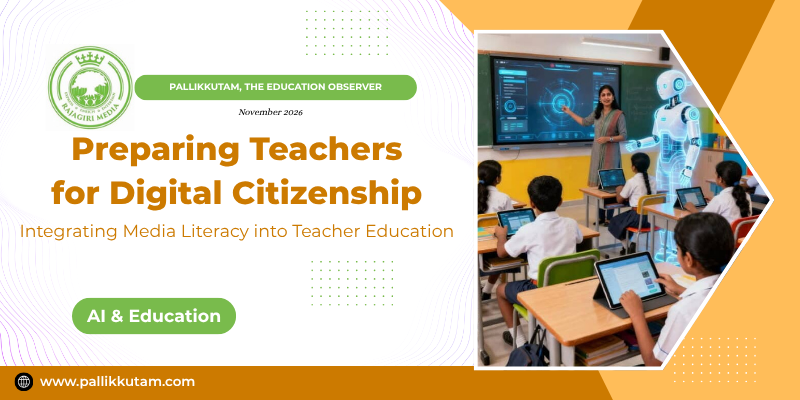
Future teachers need media literacy skills to combat misinformation, use AI responsibly, protect student privacy and build inclusive digital classrooms.
Intrinsic motivation nurtures lifelong learning, curiosity, and entrepreneurial initiative, empowering learners to transform themselves and their world.
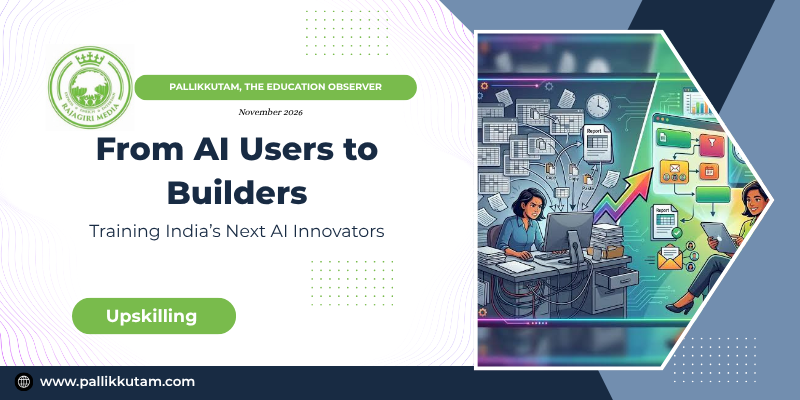
IAIRO's five-week Pramana Bootcamp trained 100 participants to build specialised AI models, fostering hands-on innovation across healthcare, law and languages.
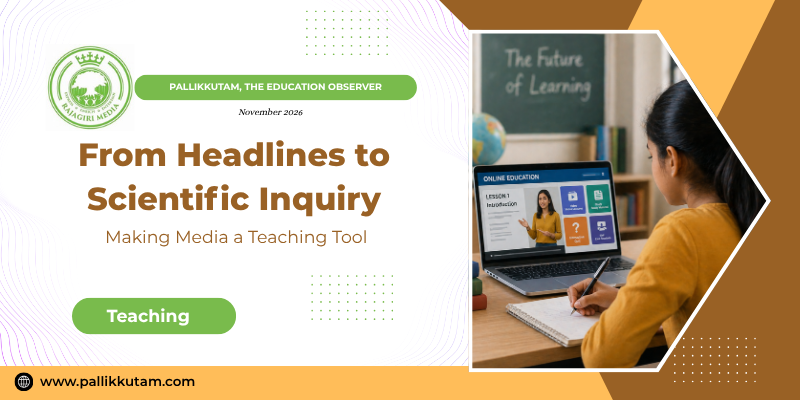
News reports, fact-checking and student-led investigations can transform science lessons into opportunities for curiosity, critical thinking and inquiry.
Teacher training in media literacy, AI, digital storytelling and robotics equips educators to foster critical thinking and responsible digital learning.
Discover how digital tools, AI and interactive learning empower children with special needs, building confidence, independence and inclusion in education.
From viral advices to AI-generated claims, educators must teach students to verify sources, question incentives and value evidence over polished answers.
As digital media transform classrooms, an educator reflects on balancing technological convenience with deep reading, critical thinking and lasting wisdom.
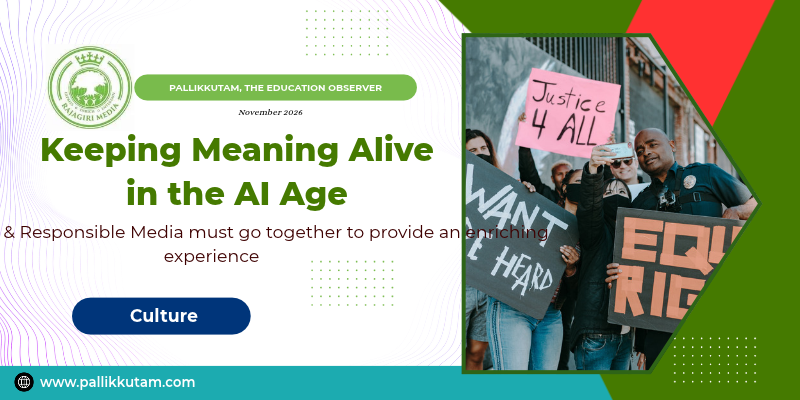
Experiential journalism opens up new opportunities to connect with AI natives by providing context & meaning to world events with diverse views & perspectives.
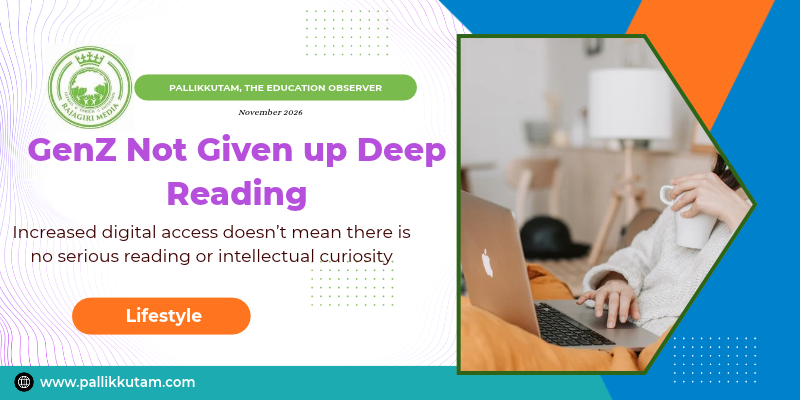
Gen Zs haven't abandoned reading serious content even as they use digital for quick access, but their intellectual curiosity & thoughtful reading are alive
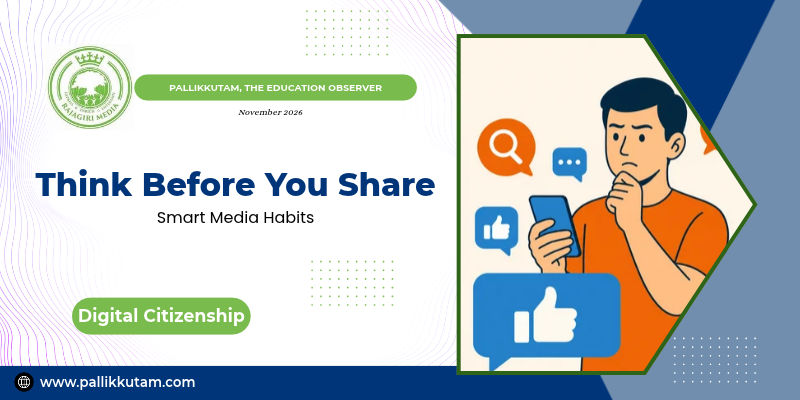
Empowering students to spot misinformation, question online content, use AI wisely and become responsible digital citizens in a media-driven world.
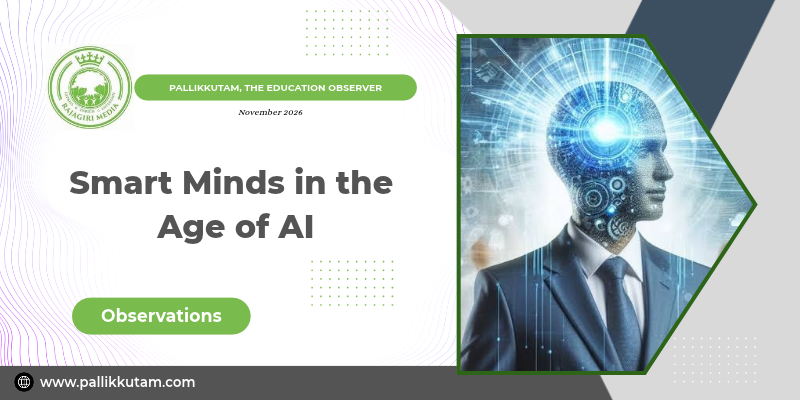
Media literacy and AI awareness empower students to think critically, spot misinformation, use technology ethically and become responsible digital citizens.
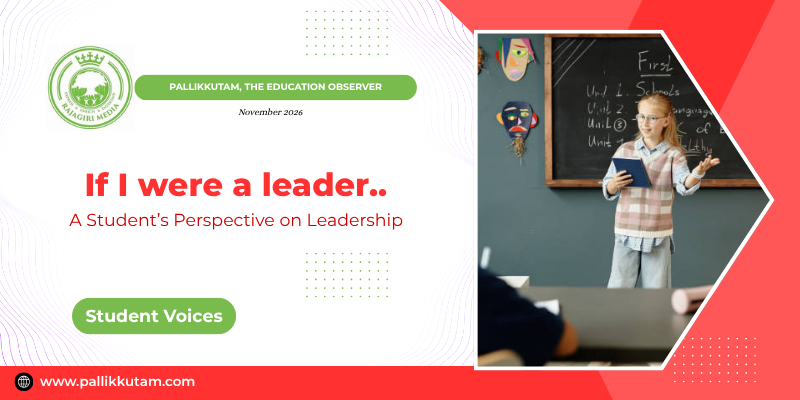
A student's vision of leadership where compassion replaces competition, practical skills matter, and every child feels valued, supported and included.
Discover how Social Science teachers use fact-checking, media analysis and classroom activities to build critical thinking and responsible digital citizens.
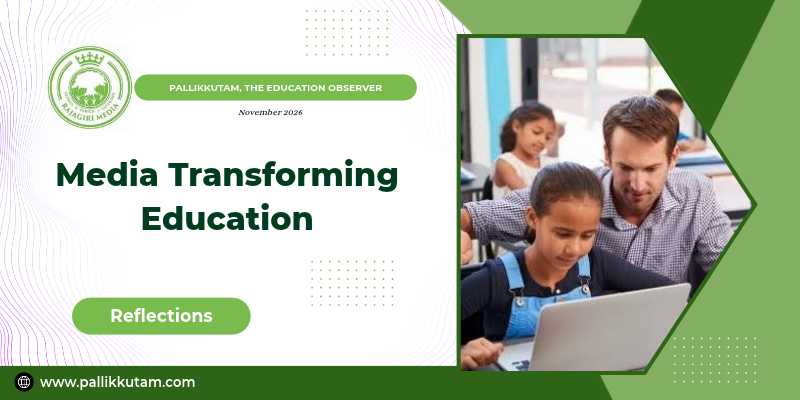
Media transforms teaching and learning through digital tools, interactive content and media literacy, while keeping teachers central to education.
Media literacy helps students question viral claims, verify facts, think critically and become ethical, informed and responsible digital citizens.
Discover how Geography lessons, disaster case studies and AI tools help students verify information, evaluate evidence and develop critical thinking skills.
Over 2,000 students showcased innovation, coding, entrepreneurship and creativity at COER University's Manthan 2K26, turning ideas into real-world solutions.
IIT Hyderabad's four-week Applied AI certification equips professionals to build, evaluate and deploy AI agents through hands-on learning and expert mentoring.
IIT Hyderabad trains 15 MBBS students in AI-powered diagnostics, disease prediction and biomedical research, fostering innovation in future healthcare.
IIT Hyderabad launches India's first credit course on goodness, with over 140 students exploring character, responsibility, well-being and meaningful living.
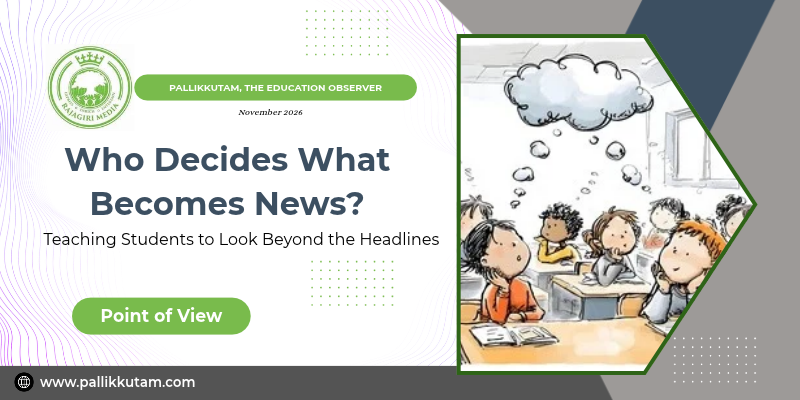
News selection, headlines and media framing shape public opinion, and why educators must teach students to question, compare and verify information.
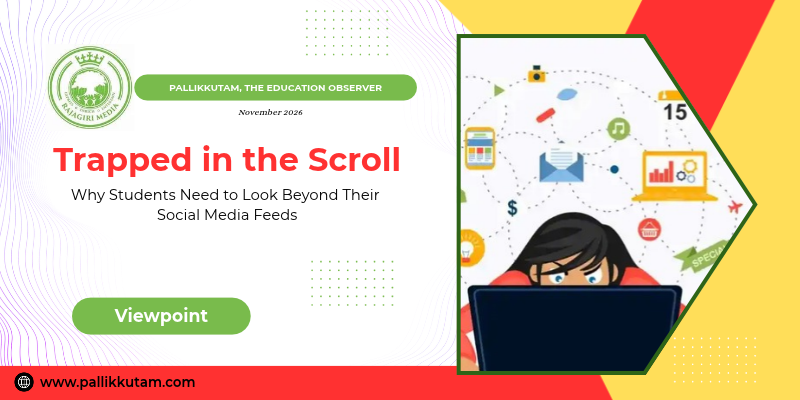
Social media algorithms shape what we see and why students must question recommendations, verify information and seek diverse perspectives.
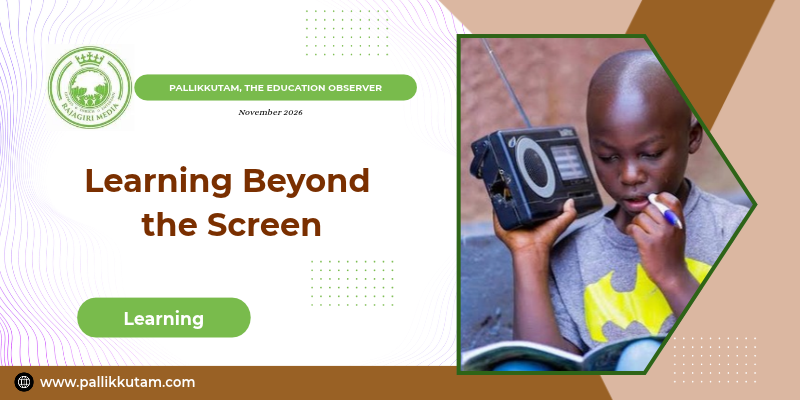
Radio can transform classroom learning through storytelling, music and sound, sparking imagination, improving listening and language skills.
From remote communities to AI-powered translation and podcasts, radio continues to evolve, expanding access to information and communication.
From saving groundwater to improving road safety, school students across India showcased their ideas at the Vivo Ignite 2026 National Finale.
Media-integrated teaching combines stories, videos and activities to make special education more engaging, accessible and responsive to diverse learning needs.
Five choices shape how students trust and share digital content. Discover how evidence, critical reading and careful verification build media literacy.
Media literacy needs more than warnings. Discover how teachers can build students' independent fact-checking, critical reasoning and source evaluation skills.
Digital parenting goes beyond screen control. Discover how family conversations, shared fact-checking and responsible AI use can build media literacy at home.
Digital readiness goes beyond devices and AI access. Discover how leaders can build media literacy through sustained teaching, assessment and collaboration.
India's digital literacy push must go beyond policies and enrolments. Explore how AI education, media regulation and data protection can build real skills.
Global media literacy policies must move beyond promises. Explore how curriculum reform, teacher support and inclusive planning can build critical skills.