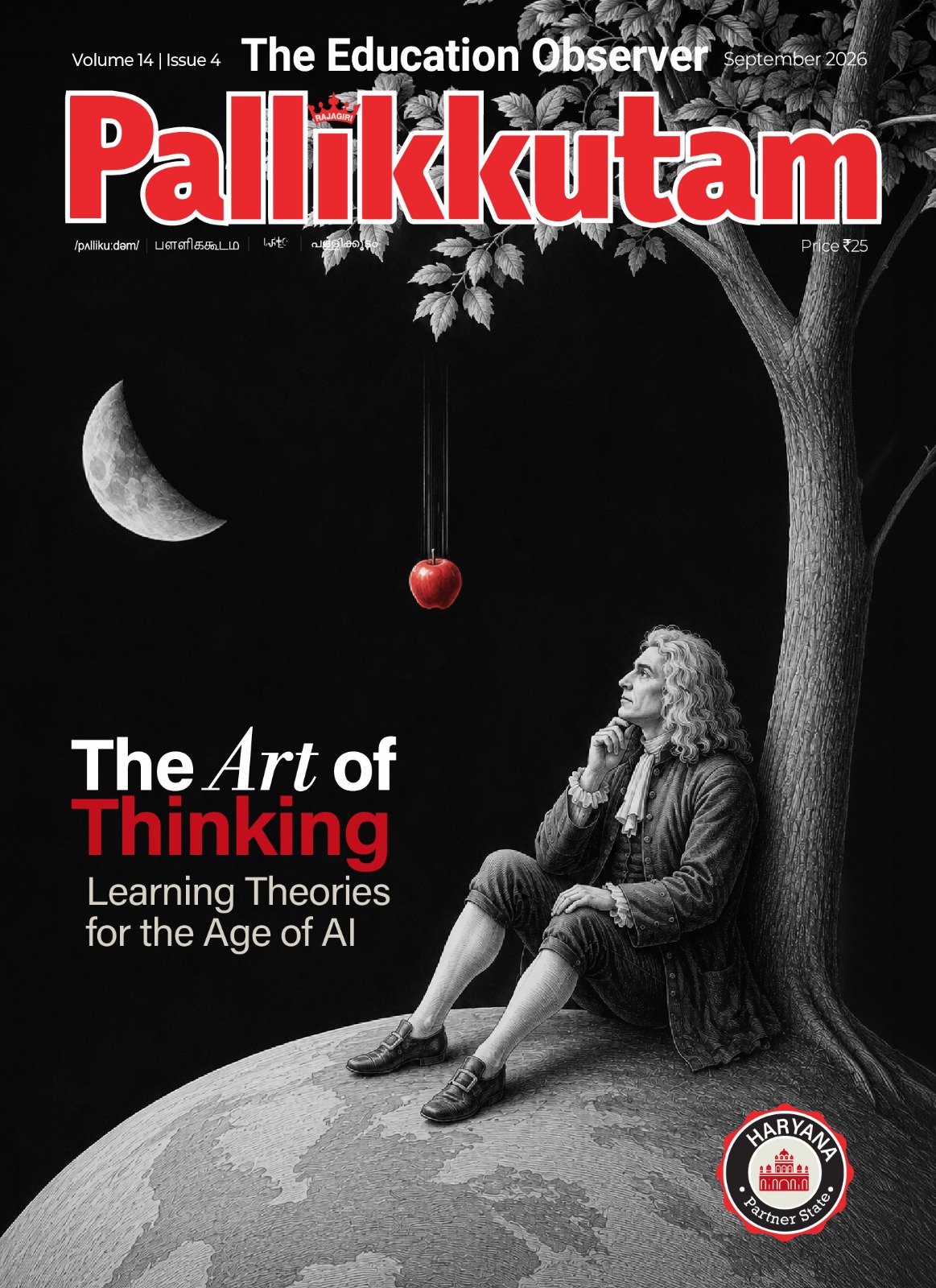
Even as scientists and philosophers are exploring what knowledge is created by AI and how it thinks, education must continue to promote reasoning and inquiry.
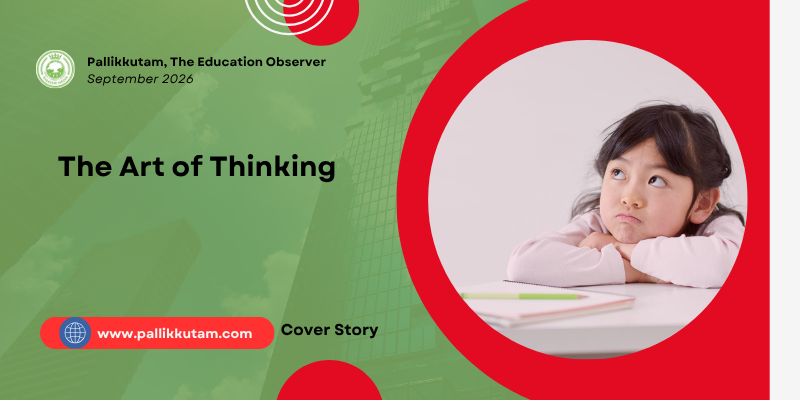
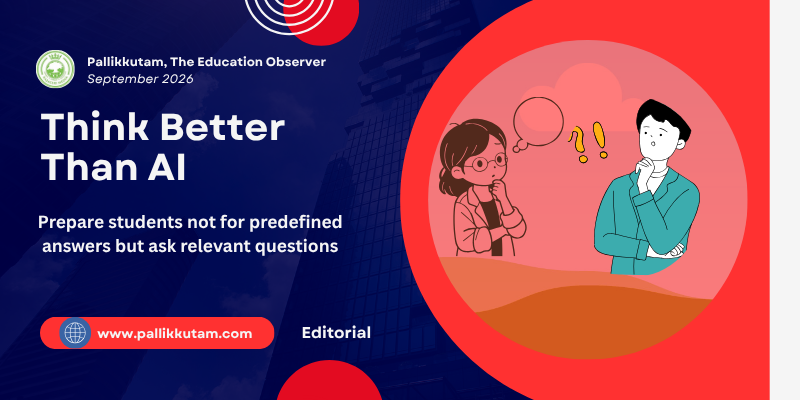
Education must prepare students to think independently, ask questions, and develop imagination. In short, humans must think better and not compete with AI.
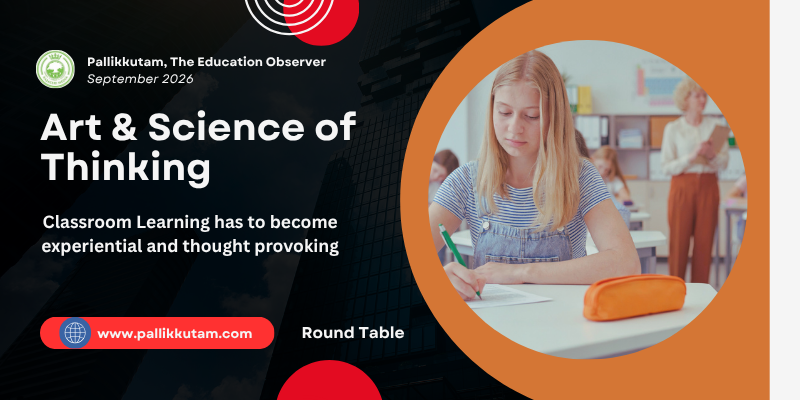
The primary focus of schooling must be cognitive development, and the advent of AI should not derail it by making learners passively accept AI content and data.
AI-native education must go beyond technical skills, nurturing self-awareness and purposeful action to preserve human ingenuity in an AI-driven world.
AI can deliver answers in seconds, but education must teach students to question, verify, reflect and connect knowledge with lived human experience.
When AI makes answers easy, education must make thinking essential. The future belongs to learners who question, judge, create and connect.
Education must discipline the mind through scientific reasoning while preserving the child’s natural imagination, wonder, freedom and search for meaning.
AI is transforming how we learn, work and live. The challenge is to use its power wisely while preserving human creativity, judgment and independent thinking.
AI can provide instant answers, but education must nurture critical thinking, creativity, empathy and wisdom so learners can use technology responsibly.
When choosing a research topic, the researcher must think about its relevance to society and requires investigation; the scholarly judgement must be human.
As AI reshapes learning, philosophy reminds us why questioning, inquiry, critical thinking and ethical awareness remain essential to meaningful education.
AI can amplify knowledge and efficiency, but creativity, empathy, ethics and judgment will define how humans learn, innovate and lead in the AI age.
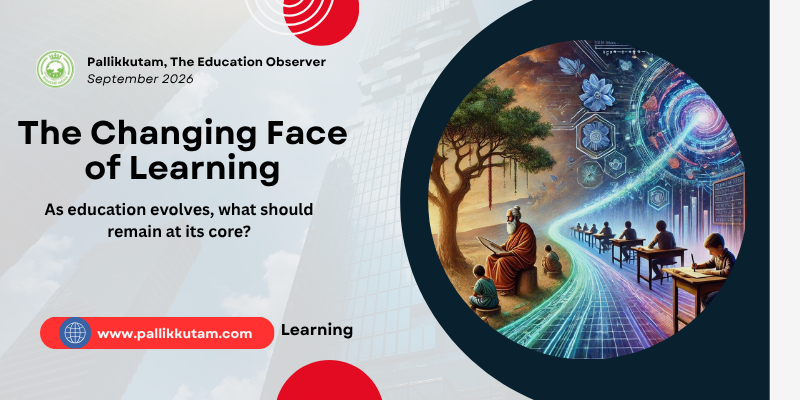
From the Guru-Shishya tradition to AI-enabled learning, education continues to evolve. What must endure is its role in shaping minds, values and potential.
In an AI-powered classroom, students discover that technology can inspire creativity, but authentic expression still depends on human thought and emotions.
AI can generate answers in seconds, but education must preserve curiosity, judgment and the human courage to question, reflect and think independently.
As classrooms grow more diverse and digital, educational psychology offers new ways to help every child learn, grow and thrive.
AI makes answers effortless, but learning demands more. Students must question, verify, revise and bring human judgment, empathy and originality to the task.
As AI expands access to information, classrooms must balance technology with curiosity, creativity, scientific inquiry and independent human thinking.
AI can solve the problem—but did you learn? Discover how to use AI without losing the thinking, struggle and reflection that make learning meaningful.
AI can complete the task, but can it build the learner? Discover how teachers can redesign assignments to preserve reasoning, reflection and genuine learning.
AI can answer children’s questions instantly. Discover how parents can use AI while protecting curiosity, critical thinking, trust and the habit of asking why.
When AI can produce student work, how can institutions verify learning? Explore assessment validity, governance and a new architecture for learning assurance.
India’s AI education policies are reshaping curriculum, assessment and teaching. Explore the shift from AI readiness to developing human thinking and judgement.
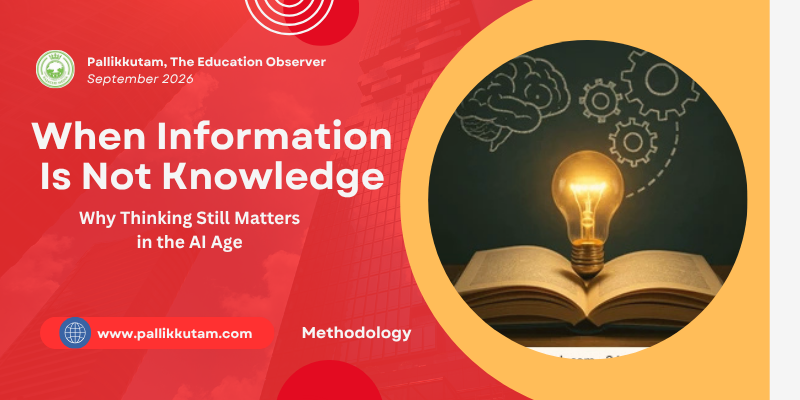
In the AI age, instant information is everywhere. But turning information into knowledge still depends on human reasoning, reflection and active engagement.
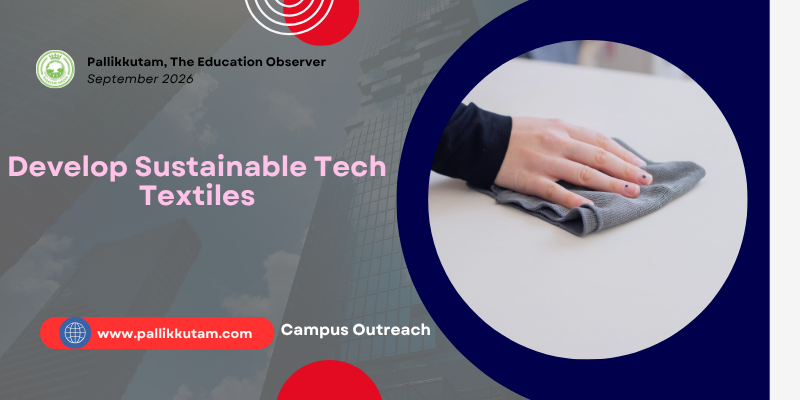
Students of a Coimbatore-based engineering college got the opportunity to understand the possibilities in sustainable tech textiles using cotton & other fibres.
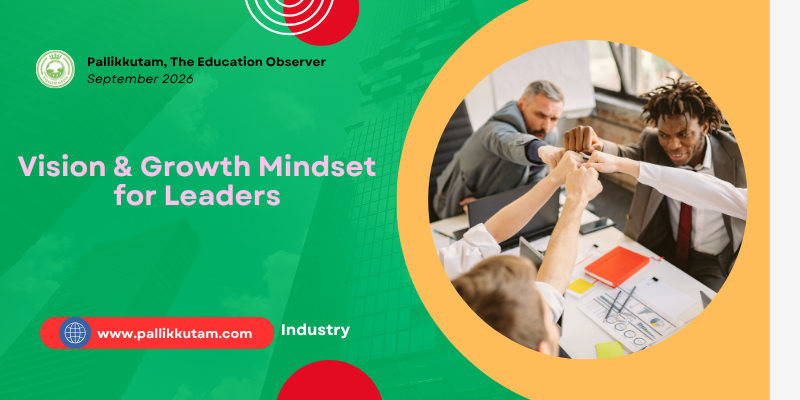
Strategic thinking and understanding of evolving market dynamics are vital for young industry leaders in developing sustainable businesses in the AI age.
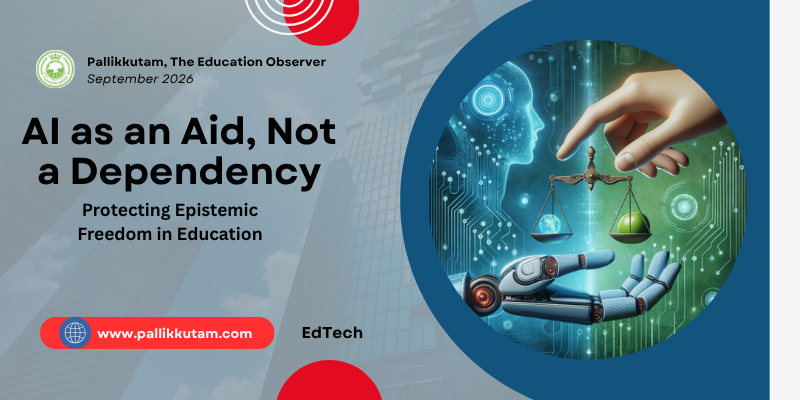
AI can support learning, but dependence can weaken active thinking. The challenge is to use AI as an aid while preserving learners’ freedom to think.
As AI and technology become part of childhood, the challenge is to help children build healthier habits while preserving curiosity, judgement and connection.
As screens evolve from showing content to responding and thinking with us, AI is reshaping how children learn, question and understand.
Around the world, AI is reshaping education policy. Explore why human agency, critical judgement and the ability to think independently are becoming essential.

The initiative offers a structured learning pathway, specialised programmes and continuing education for capital markets professionals.
As India expands its underground infrastructure, a new industry-academia collaboration is bringing students closer to the methods and real-world challenges.
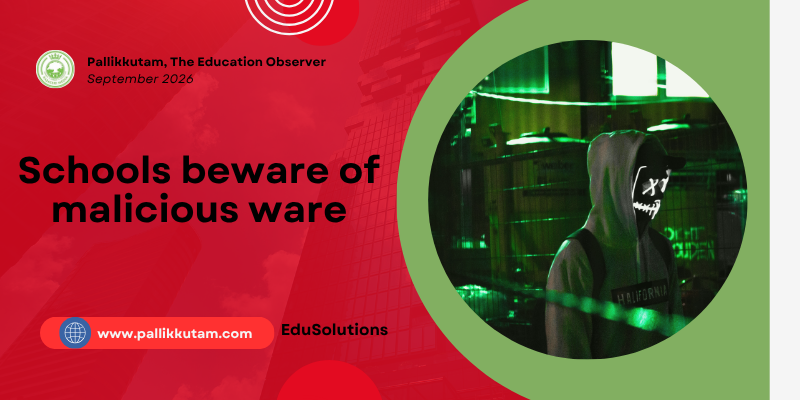
The education sector, which has vast resources of personal data, is susceptible to ransomware attacks. The strategy used is mainly malicious email and phishing.
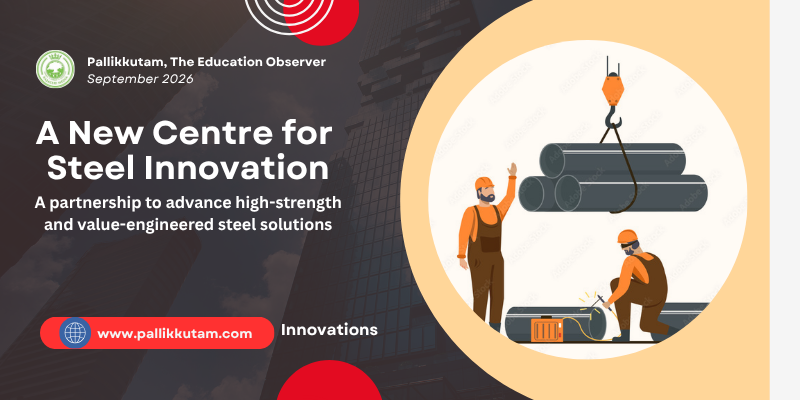
Jindal Steel and IIT Hyderabad have joined hands to establish a Centre of Excellence focused on developing and demonstrating advanced steel solutions.