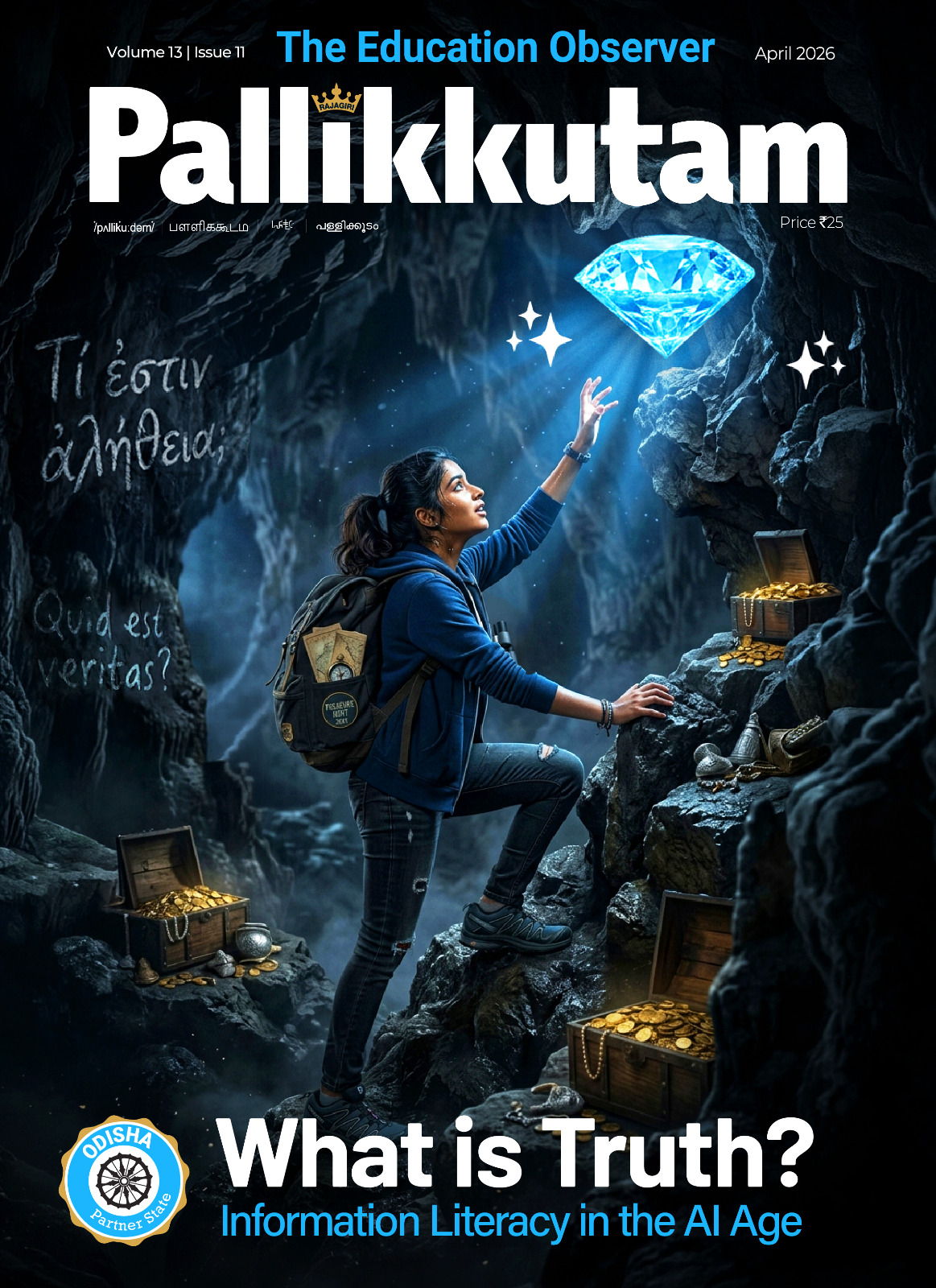
A standardised new literacy curriculum in schools, updating the journalism syllabi, must be prioritised to check the harmful effects of information pollution.
Misinformation, disinformation & malinformation cause information pollution that must be addressed in education by an AI collaborative, complementary approach.
Media and information literacy must be integrated into education at all levels. Learners must be trained to question and critically analyse all information.
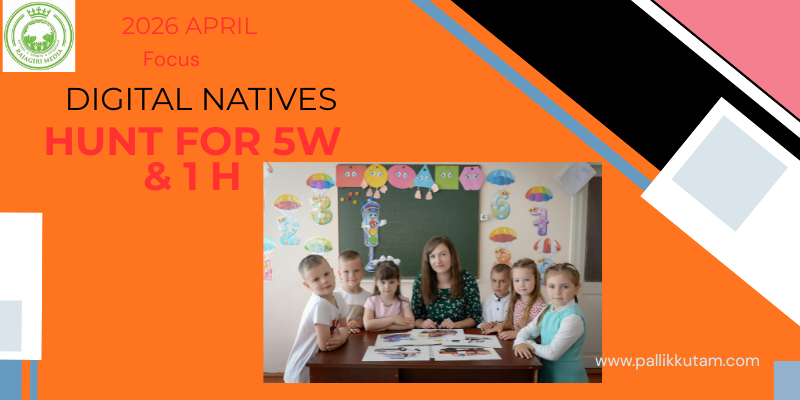
When the identification of essential building blocks of a news story is taught in schools, students imbibe important lessons in checking & analysis of facts.
In a world where information is abundant and instantly generated, the real value of journalism shifts. It must not be "providing information" but a judgment.

Fake content can go viral very quickly, and journalists lack trusted tools to verify data and information as they struggle with shorter deadlines in AI age.

Social media distortion is caused when views represented online differ substantially from widely held public beliefs made by a small set of prolific accounts.
Traditional education trained children to find the right answers, but in the AI age, they have to ask the right questions, develop critical thinking & ethics.
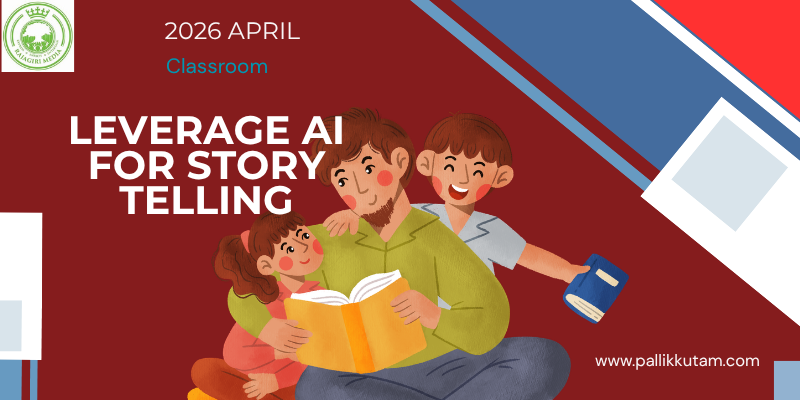
Teachers should not indulge in lectures but use innovative storytelling techniques to make classes engaging and nudge creativity in AI-native children.

Digital media use is fraught with risks for both children and adults. Responsible use entails knowledge of cyberbullying, algorithmic manipulation & privacy.
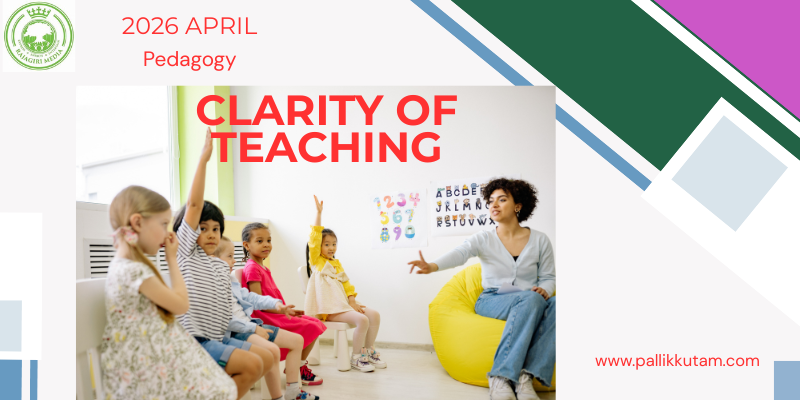
Education is not meant to fill the minds with information but to enable the blooming of AI-native and entrepreneurial identities to benefit society at large.
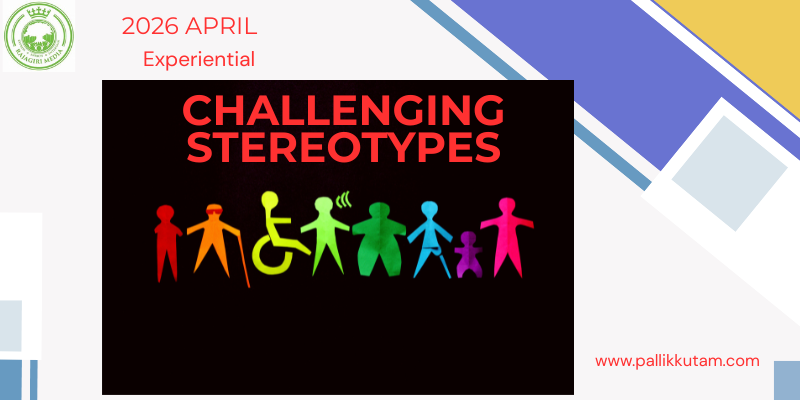
If education doesn’t encourage students to interrogate what they witness, the media will continue to serve as a blueprint for gender stereotypes & inequality.
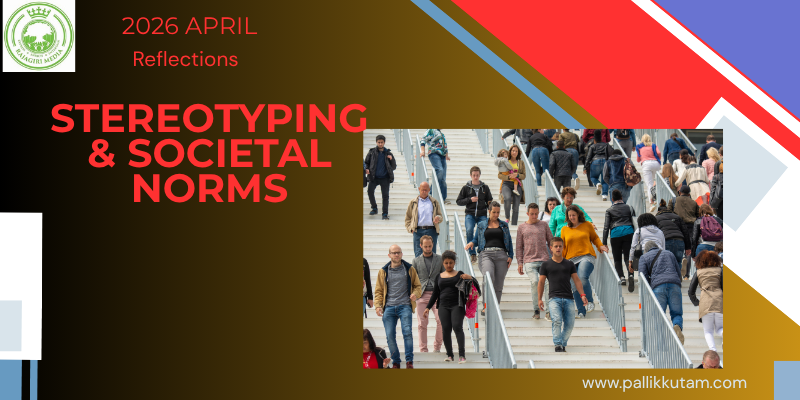
The media reinforces stereotypes through thousands of portrayals, as a single film cannot shape a worldview. The media strengthens existing cultural beliefs.
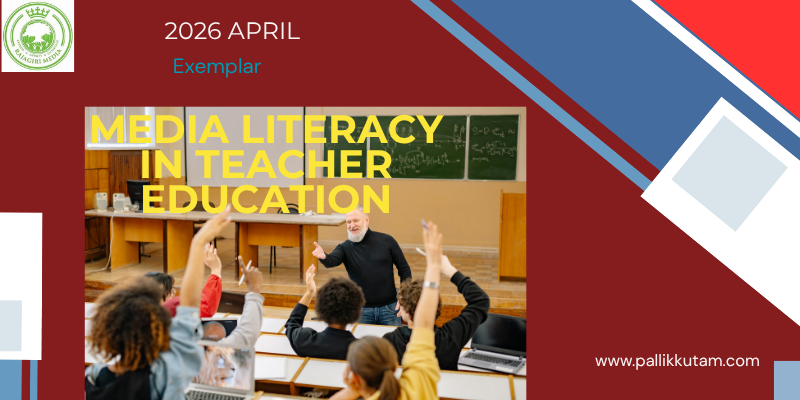
Teacher education embraces media literacy to empower educators and learners as critical thinkers and active digital content creators in modern classrooms.
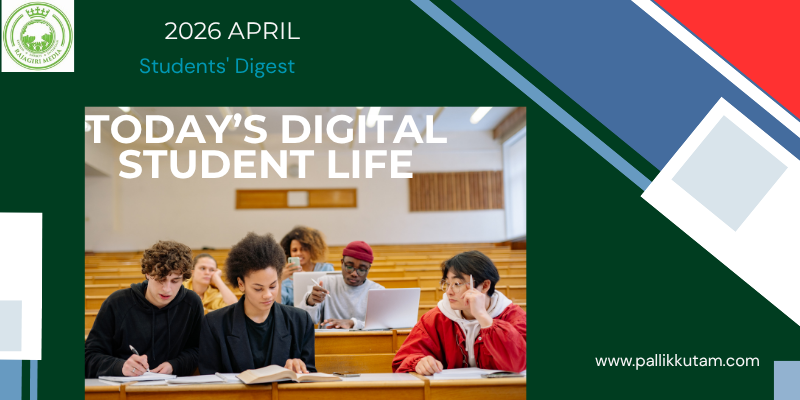
A relatable classroom journey where students learn to navigate social media, AI, and digital stress while building confidence and smarter thinking.

Everyday family moments show how awareness of health, emotions, and technology can build stronger bonds and create a happier, more confident home.
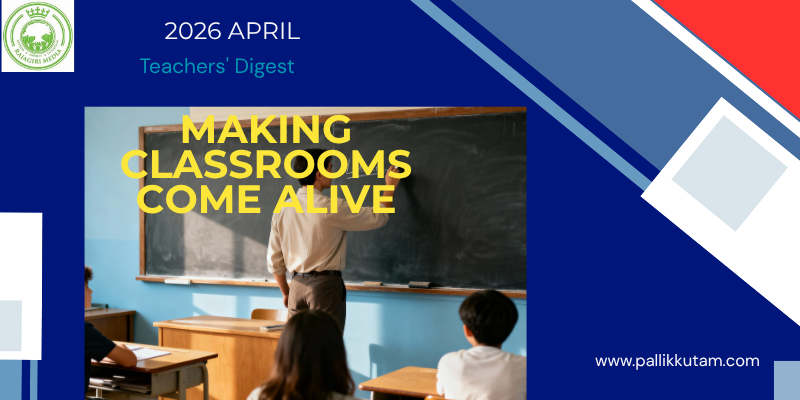
A classroom story showing how simple teaching methods, questions, and technology can spark deeper thinking and make learning more engaging.
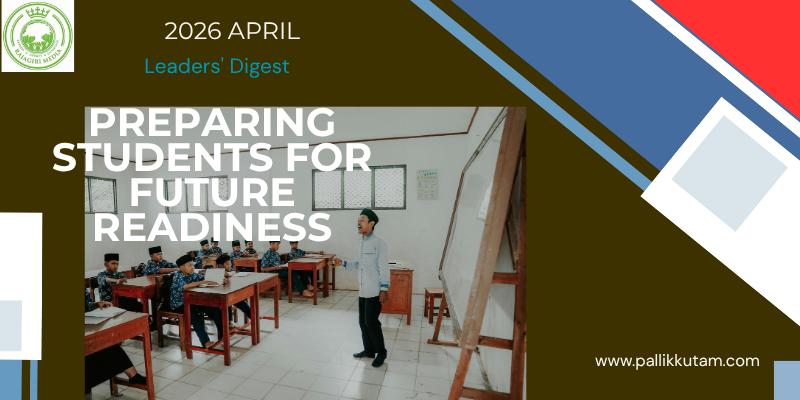
A reflective school journey exploring how digital literacy, AI readiness, and critical thinking shape students for future challenges and real-world success.
IIIT Delhi secures patent for RIS-based smart wireless system enabling reliable communication and advancing next-gen 6G technologies innovation and research.
Signs and symbols are key elements in modern communications. Semiotics helps us understand how visual and audio symbols get integrated into social media & web.
Analysis of films helps students understand the time, emotions, empathy, the psychology of mood, & how the environment dictates a character's state of mind.
IIIT Delhi opens 2026 admissions for MTech and PhD across tech fields with research, industry focus and specializations. Apply by April deadlines now.

Odisha, implementing NEP, faces the double challenge of a lack of teachers and a rise in dropout rates in high schools, even as new initiatives give hope.
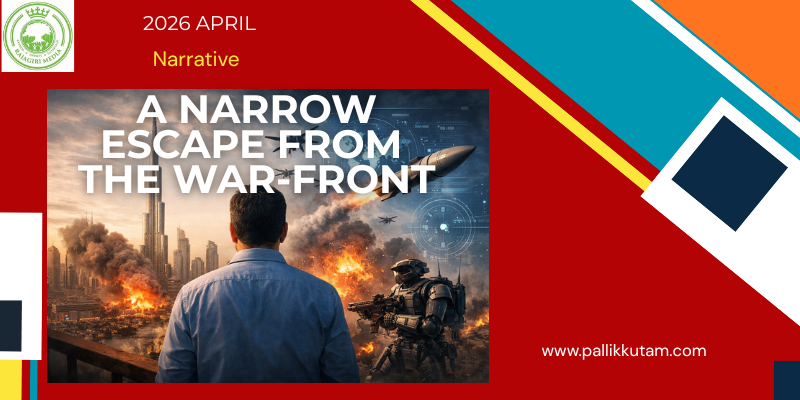
A keynote journey to Dubai turns into a chilling near-miss, leading to a powerful reflection on AI-driven warfare shaping the Iran–Israel–US conflict.
Explore Rolls-Royce Wings4Her, Cadence-Invecas, Vivo KanyaGyaan, and MUSAT scholarships offering financial aid, mentorship, and career opportunities.
National Policy Update-Kerala has announced free education upto undergrad level, Maharashtra implements NCERT curriculum, & Tamilnadu implements SEP, not NEP.
The European Commission has introduced an AI policy for schools while, the US has started new Civics Education, and physical activities are mandatory in China.
IIT Hyderabad launches AI/ML and computational chemical engineering MTechs blending core engineering with data, simulation, and industry modern skills.