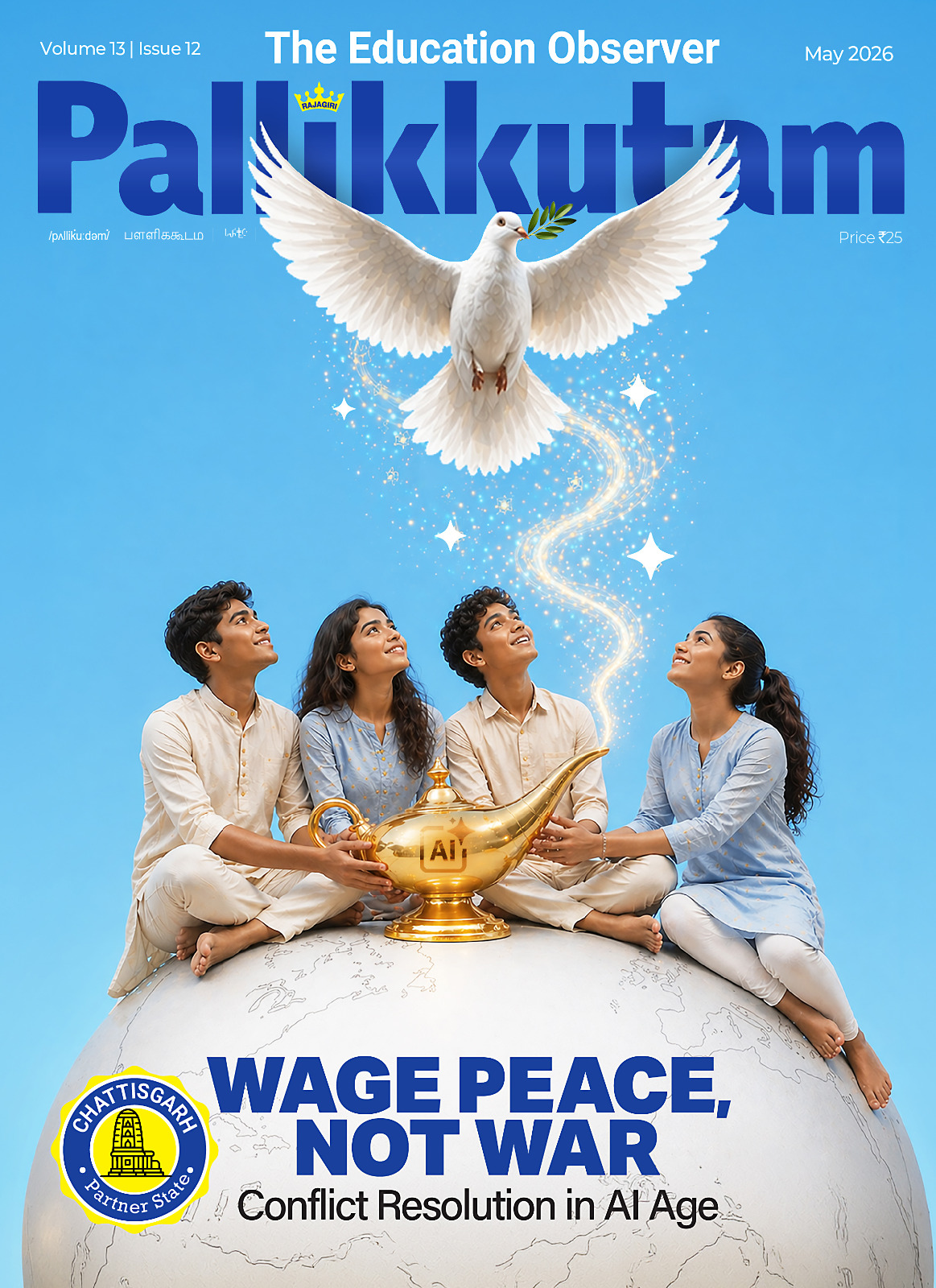
India's religion, philosophy, and leaders have contributed immensely to peace building, Gandhijis ideas inspired Johan Galtung to develop peace education.


Peace education must begin at school by teaching how to resolve conflicts and disagreements. Schools must promote competition, empathy, respect & cooperation
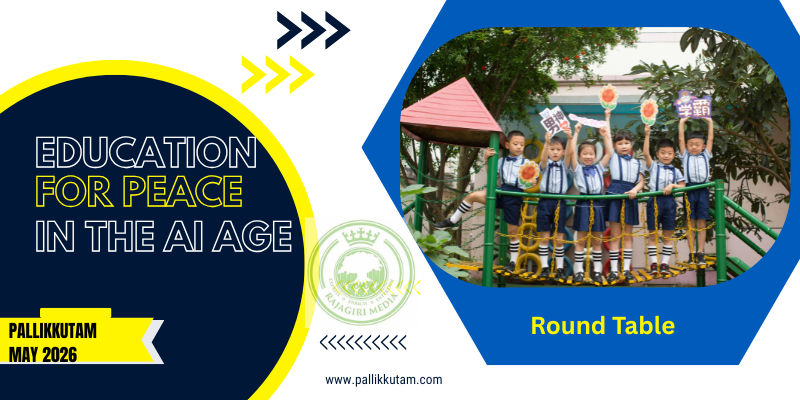
The peace process can be strengthened when classrooms facilitate dialogues, conflict resolution, develop empathy, and also counter hate speech and propaganda.
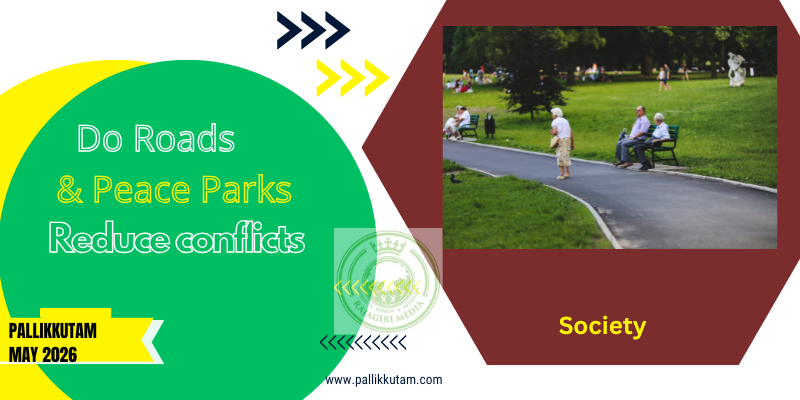
Research has shown that building roads reduces conflicts, while public spaces where people of different religions and communities interact also bring peace.
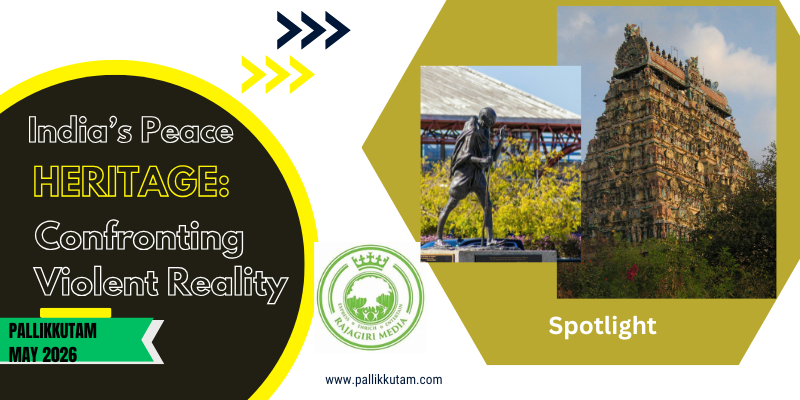
India has a rich tradition of promoting peace through religion & philosophy, & in the modern context, the Non-Aligned Movement, but not free from violence.
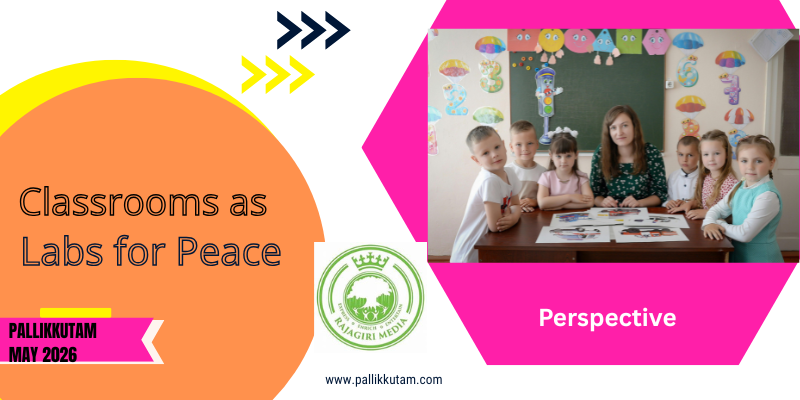
Teaching peace must go beyond theory, engaging students with real-world conflicts, listening to diverse perspectives, & dealing with information pollution.
Should roads be built if people don't require them? What is a sustainable road to peace in extremist violence? How to prevent structural & cultural violence?

There is a historical pattern in conflicts that was initially for survival & resources. Conflicts are not bad unless they become violent and destructive.
The collapse of the rules-based world order has intensified violence that has reached a climax with the US-Israel attack on Iran, causing economic instability.
Community conflicts can be better understood and resolved using Johan Galtung's ABC triangle, analysing attitude, behaviour & contradiction for social progress.
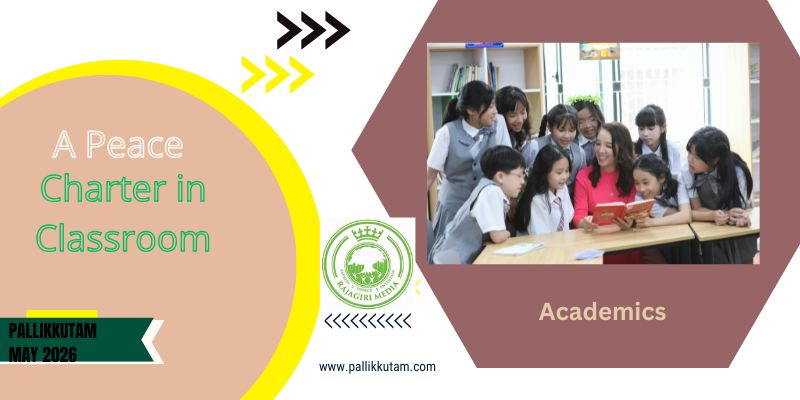
A teacher must be a friend, philosopher, and guide to students, & empathetic to them. They must adopt active pedagogical strategies that keep children engaged.
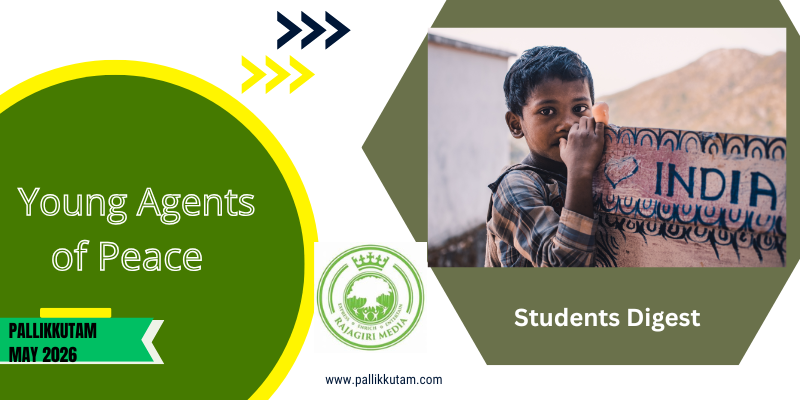
Discover how students can turn conflicts into conversations. Learn simple skills like listening and empathy to build a peaceful school and stronger friendships.
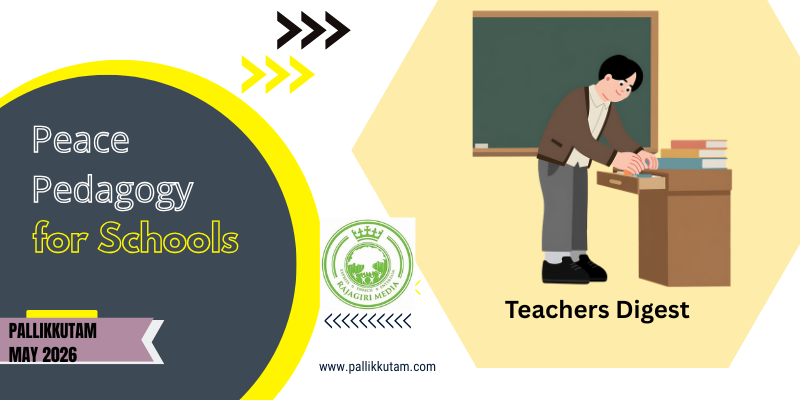
See how teachers can create safe, inclusive classrooms. Simple daily practices can build empathy, reduce conflict, and shape responsible, peaceful students.
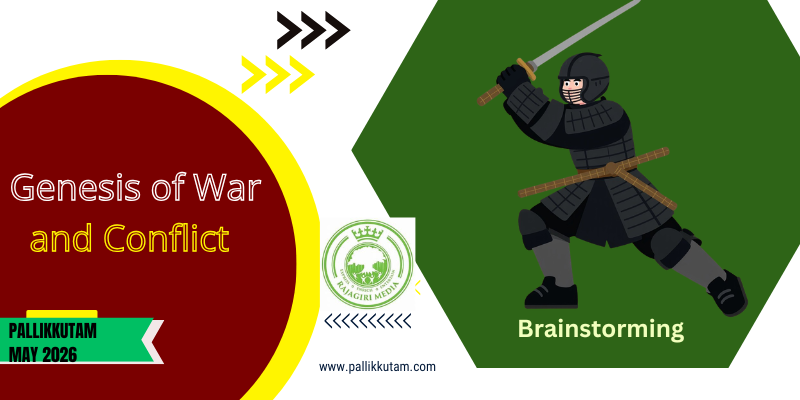
To overcome the 'moral crisis' affecting the world, peace education can pave the way for creating inclusive countries instead of powerful nations.
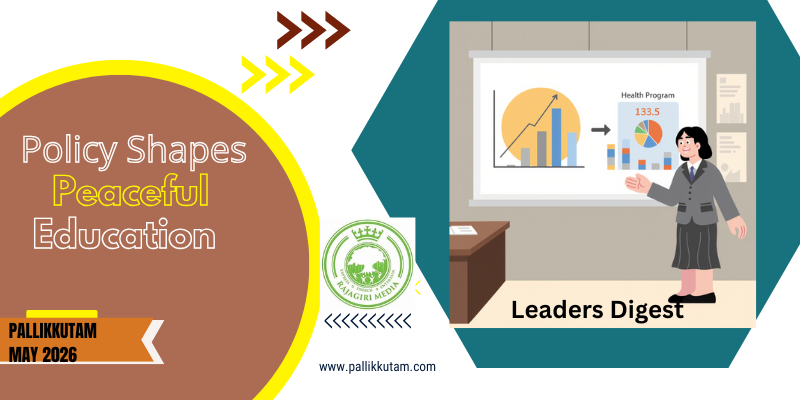
Understand how policies and leadership decisions influence peace in education. Inclusive systems and fair access can create lasting harmony in society.
Gandhi believed that the modern state was inherently violent. Ram Rajya was a non-violent alternative grounded on compassion, truth, self-governance & equity.

Explore how family values and community support shape children’s attitudes. Small actions at home can break barriers and build a more peaceful society.
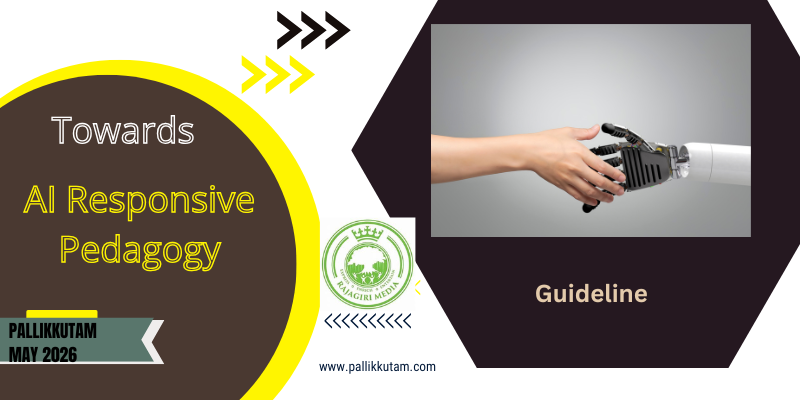
Introducing AI to students in school is a welcome move, but they must also critically challenge AI-generated knowledge & emphasis must be on learning processes.
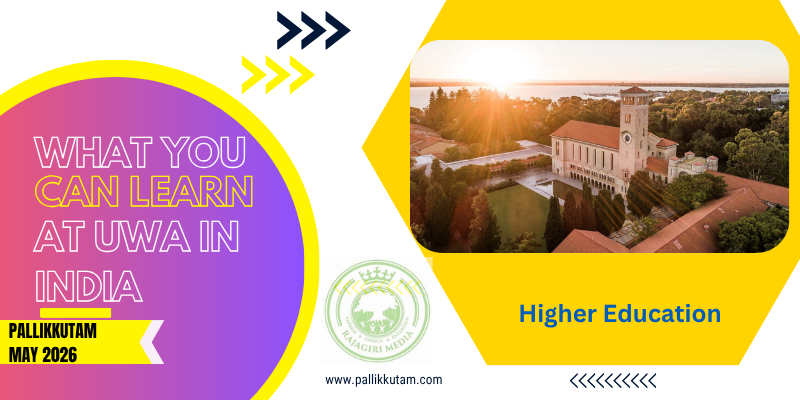
The University of Western Australia has established two campuses in India offering industry-aligned, future-ready skills for undergraduate & postgrad courses.
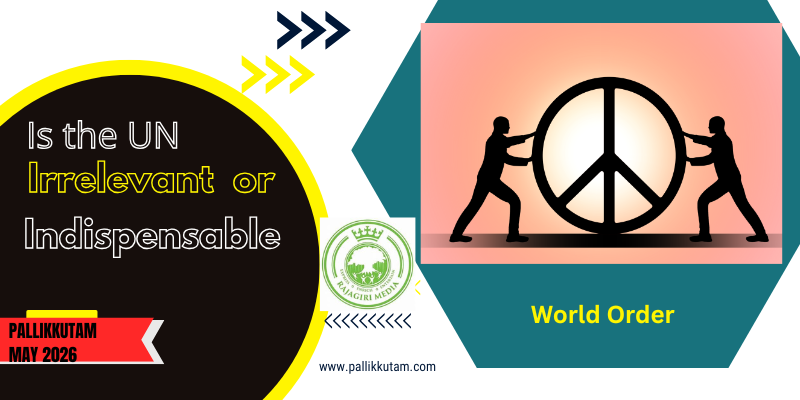
The UN has done its role well in traditional peacekeeping, where risks are low; in critical areas, it has not been able to reform or get the required funds.

Here are some avenues to get financial support for education, including scholarships for engineering and undergraduate business studies for deserving students.
The introduction of computational thinking & AI by CBSE is interdisciplinary, making children future-ready problem solvers, providing ethical use of technology.
Conflicts, war, peace, & violence are recurring themes in books under the genres of fiction literature, academic & non-fiction giving divergent perspectives
IIT Madras has introduced three beginner's courses in AI that don't require prior coding experience. It is accessible to learners from diverse backgrounds.
Some people struggle to talk about a topic in a stipulated time, as they have vast knowledge and skills, but effective communication is always short & simple.