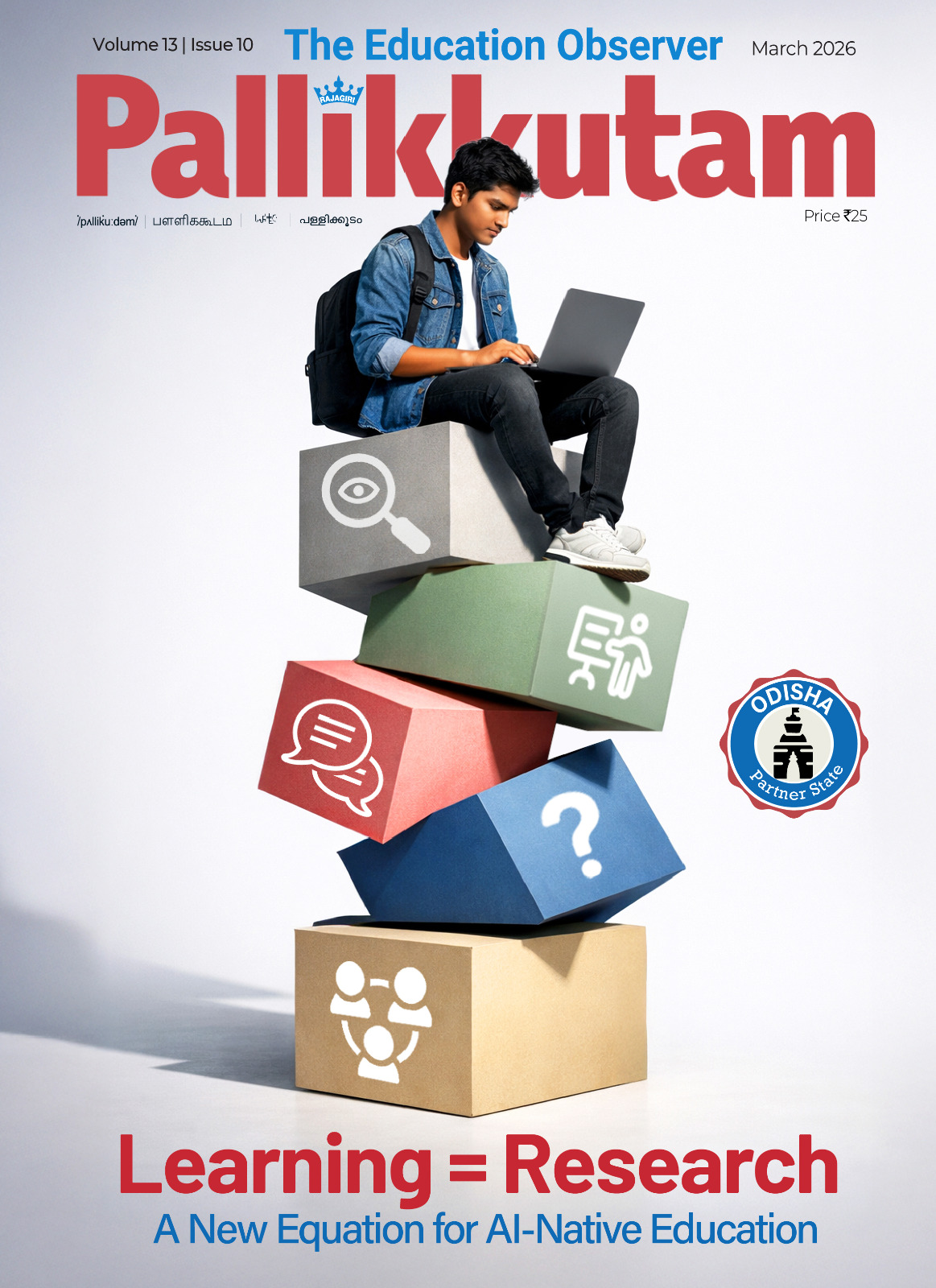
Research in universities must be a continuous quest for truth meant for protecting and advancing life on the planet, & creation of new knowledge and resources.
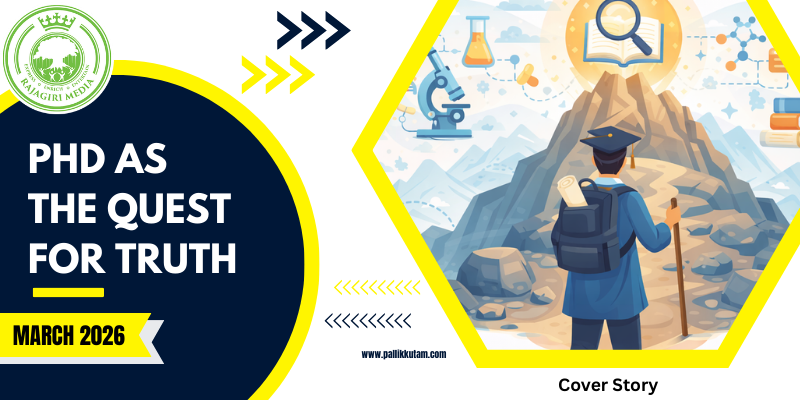
Research must be embedded in the learning process from the foundational years with introspection into the laws of nature leading to creation of new knowledge.
The future of research lies in combining causal understanding, AI-enabled efficiency, and engineering-driven problem-solving, innovation & entrepreneurship.
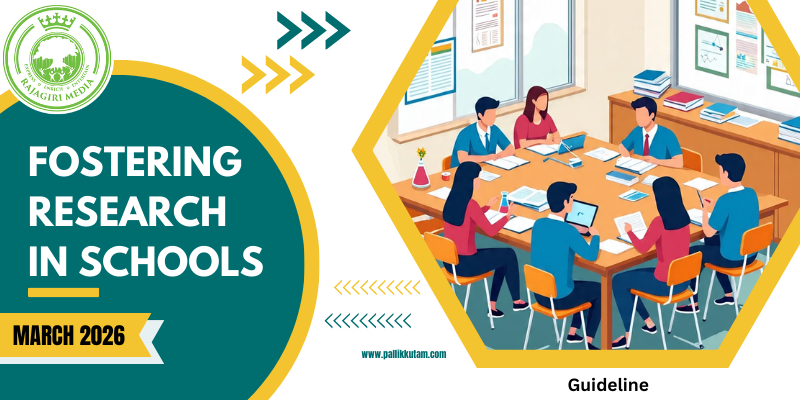
Research in schools must involve exploration, questioning, communicating ideas, collaborating, & presenting new knowledge, thereby improving academic outcomes.
Success in research is not about spending long hours in the lab but using sharp observation & the ability to extrapolate what is observed into meaningful ideas.
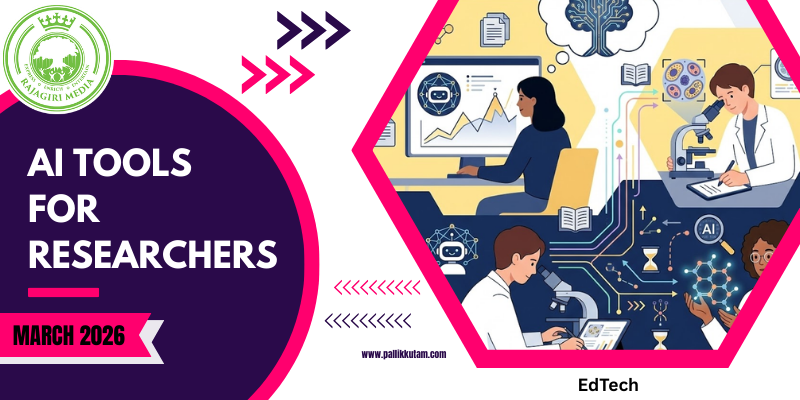
AI helps researchers reduce cognitive workload and organise information, identifies correlations, but it lacks ethics & cannot replace human critical thinking.
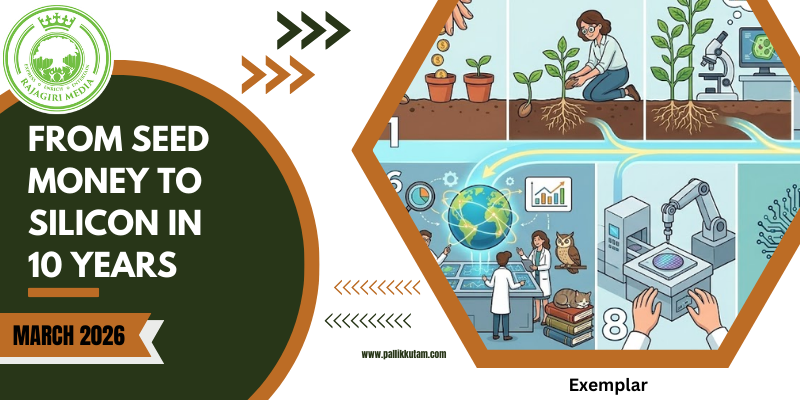
When students & teachers were motivated to generate ideas and innovate, industrial solutions were developed, and also an indigenous Chip was created by them.
The goal of research is to produce new knowledge and also go beyond the realms of what mankind knows. The study of the past and present is also important.
AI has opened up unprecedented possibilities for educational & social science research. It helps in report writing, data collection, cleaning and analysis.
Even innovating existing products can be considered research, and incremental research serves many purposes. Scholars must resist the urge for quick results.
Curiosity & joy of discovery must be embedded in learning from foundational years. Teachers must be involved in action research & also use AI tools creatively.
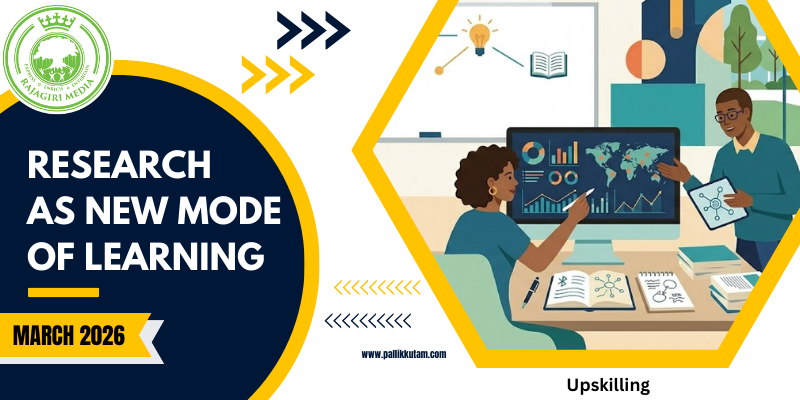
Teachers must impart fundamental concepts with lab experiments to students. Teachers must also be part of mission-driven research groups for problem-solving.
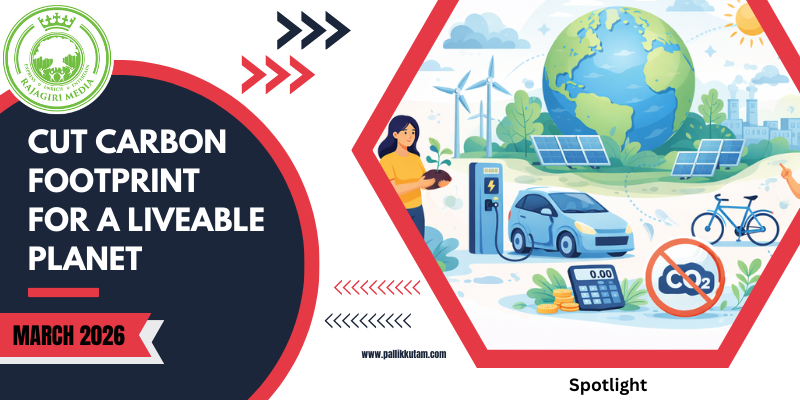
Awareness of carbon footprint in education must be created in students by monitoring electricity, water usage, emissions, & also promoting recycling and reuse.
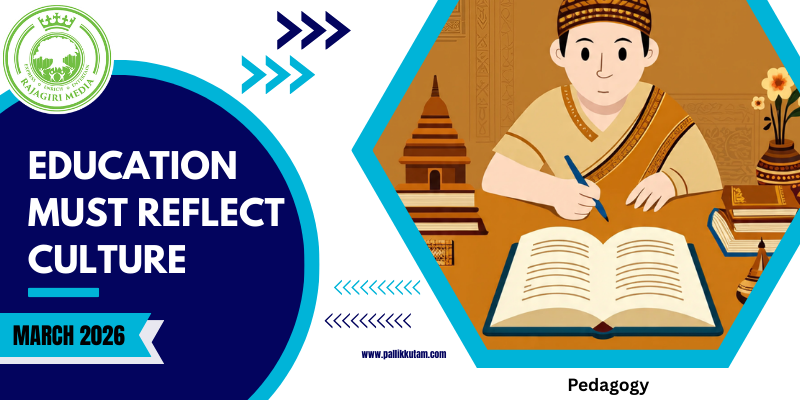
The colonial era saw the neglect of oral tradition in education, which was revived by the documentation of folklore and tales that help preserve social values.
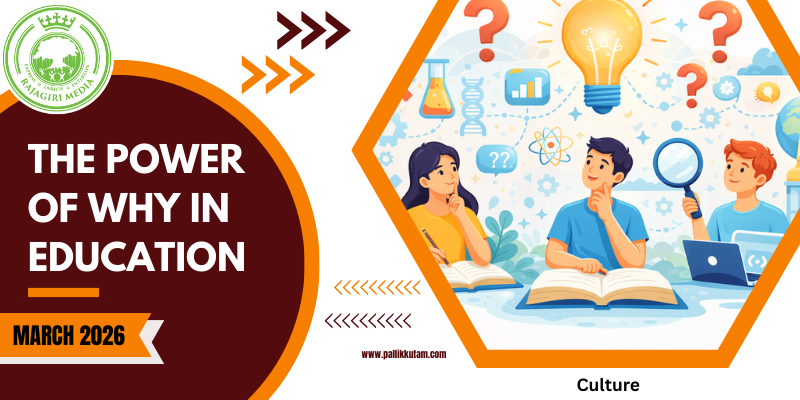
When children are encouraged to ask questions, it sows the seeds of a research culture. When teachers do role plays, it develops imagination and curiosity.
Research ideas can pop up in your mind while travelling or attending a meeting or at a social gathering. AI tools can assist in getting started with research.
IIT Hyderabad signs 3-year MoU with Mitsubishi Electric Corp. to advance AI, quantum, cybersecurity research, talent exchange and global R&D collaboration.
Guru Ram Dass College of Education, Delhi, nurtures research from classrooms, shaping inquiry-driven, experiential learners for the future of India.
Research highlights how curiosity, intrinsic motivation, growth mindset and entrepreneurial thinking shape students’ research skills and future success.
Global research shows parental involvement, growth mindset and balanced guidance boost children’s creativity, confidence and computational thinking.
Global universities redefine PhDs through industry problem-solving, creative practice, venture creation and practical innovation beyond thesis-only models.
Global research urges teachers to foster autonomy, inquiry, creativity, motivation and epistemic curiosity to build research-oriented classrooms.
Educators are ready to shift research from publications to AI-driven problem-solving, innovation, and entrepreneurship. Policy must now lead the change.
Scholarships 2026: JN Tata, Narotam Sekhsaria & Kind Circle offer up to ₹20 lakh loans or aid for meritorious Indian students in India & abroad.