Commercial formalin sensors for fish are primarily expensive electrochemical-based or colorimetri-based. The new sensor is made using tin oxide-reduced graphen
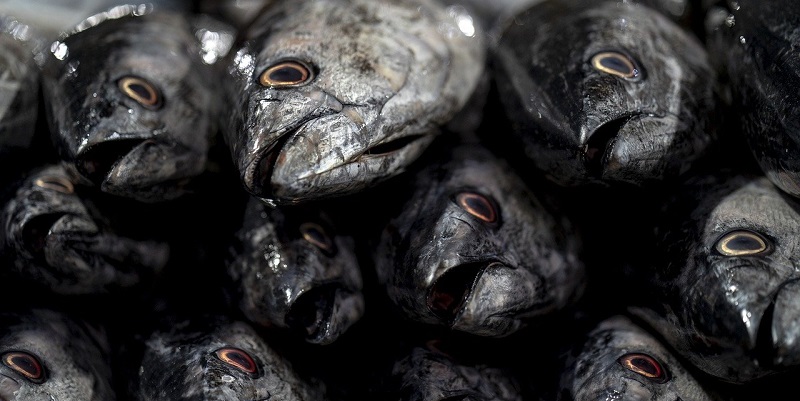
A new low-cost sensor made of metal oxide nanoparticles–reduced graphene oxide composite can detect formalin adulteration in fishes at room temperature in a non-invasive way. The sensor shows long-term stability with a low detection limit.Food adulteration is the practice of adding illegal or harmful substances to food to make it appear more appealing or to increase its shelf life. Formaldehyde is a colourless, pungent gas that is used in a variety of industrial processes, including as a prese. Sign in to read more..

SUBMIT REVIEW
Please email us: editor.rajagirimedia@gmail.com
A database error occurred.